what we do
Treatment Foster Care
Achieving a sense of family belong can be difficult for children and teens who have experienced complex trauma or emotional, behavioral, or medical challenges. Treatment Foster Care (TFC) at Shineforth is a therapeutic approach to foster care that provides wraparound services for youth who need extra support.

Our Foster Care Program Helps Children Heal and Families Grow.
Shineforth’s Treatment Foster Care Program provides foster parents additional support for children in care.

Training & Collaboration
Join an in-person or virtual info session to learn what fostering with Shineforth looks like.
Personalized Strategies
Complete a short application, and our team will guide you through each step of the way.
Post-Placement Support
Multiple resources are available, including mentoring from experienced foster families.
Stipends to Offset Expenses
Once a child is placed with your family, you’ll receive financial support to cover living expenses.
What Is Treatment Foster Care (TFC)?
Treatment Foster Care (TFC), also known as therapeutic foster care (TFC) equips foster families with the training and resources to provide safe, structured, nurturing homes for children and teens with complex challenges, including emotional, behavioral, and medical.
Youth served in TFC have often experienced disruptions in traditional foster care, including multiple placements. As a result, they require a higher level of support to initiate the healing process in the context of a family setting. TFC foster parents receive specialized training that equips them to support youth placed in their care.
Learn more about foster parent training requirements.
How Does Treatment Foster Care Differ from Traditional Foster Care?
Youth in foster care have been placed there through no fault of their own. Instead, foster care placements are the result of behavioral, emotional, or environmental challenges.
Youth who are referred to TFC typically present significant emotional and behavioral challenges and benefit from extra resources and support. By comparison, children and teens in traditional foster care may simply need a loving family, are relatively well-adjusted to foster care, and can achieve typical developmental milestones.
Learn more about therapeutic vs. traditional foster care.
Ready to open your heart and your home?
*The process for becoming a TFC parent typically takes about four months.
It’s your time to shine for children and teens in Treatment Foster Care:
step 1
Attend an Info Session
Learn more about the unique experiences of youth in foster care and the resources and supports available.
step 2
Pre-Service Training
Complete 25 hours of training to learn how your family can provide children in care with a sense of belonging.
step 3
Home Study & Paperwork
Shineforth works with every foster parent to ensure they’re equipped to provide a safe and nurturing home.
For Professionals
To refer a child to our program, please fill out the referral form below.
A Treatment Foster Care Success Story

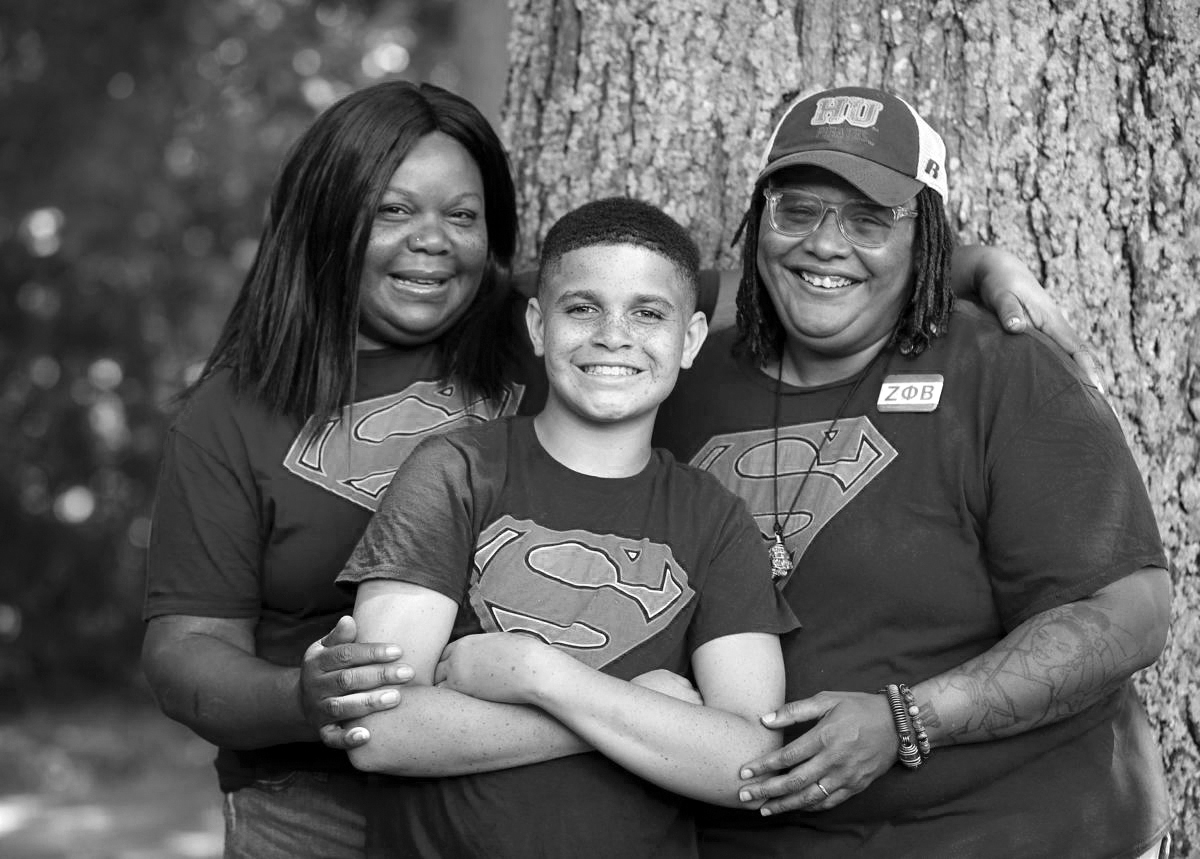
Shenika was 15 when she met her foster mother, Romania. Though Shenika felt nervous, there was an energy and magnetism about Romania (pictured left) that Shenika (pictured right) said put her at ease.
Shenika is now in her twenties and has a child of her own. She says Romania helped shape her into the woman she is today. She also credits the support she received from Shineforth Treatment Foster Care staff and the TFC program.
“Having people that are stable and in your corner is a great asset in life,” Shenika said, adding that her TFC case workers played a critical role in her successful journey from being in foster care to being adopted by Romania.
Mary Davies, LCSW, was Shenika’s caseworker all those years ago and has fond memories of the day she placed Shenika with Romania. “It was snowing on the way,” Mary said. “We got caught in so much traffic it took us hours to get there. We sort of bonded during that time.”
Romania is living proof that when foster parents open their hearts and open their homes. they open a world of possibilities for young people in care. “Romania I think felt like home for Shenika,” Mary said. “Like this was a place she was safe, cared for, loved, and accepted.”
“Having people that are stable and in your corner is a great asset in life”
— Shenika
“Romania I think felt like home for Shenika. Like this was a place she was safe, cared for, loved, and accepted.”
— Mary Davies, LCSW
For more information on foster care adoption in Virginia, contact us today!
Shineforth has eight locations throughout the state of Virginia, spread conveniently across the Commonwealth. If you’re interested in learning what is involved to become a foster parent, we encourage you to send us an inquiry, or contact Shineforth at any of the listed locations.
who is shineforth?
Shineforth is a nonprofit organization that provides a comprehensive array of programs to support children, teens, and parents as they work to overcome challenges.
We equip families with tools for success so they can achieve their goals. As a national leader in helping young people and families, we also proactively identify unmet social services needs and develop the necessary partnerships to address those needs.
Frequently Asked Questions
Have questions? We’re here to make the foster care program approachable and clear.
What is foster care, treatment foster care, and therapeutic foster care?
Foster care is when a child or teen goes to live with a foster family because their primary caregivers or biological family cannot care for them. The parents may be unable to provide care due to anything from financial stress to drug abuse, and they may have been reported to child welfare or the department of social services (DSS).
Foster parents provide a safe, stable, temporary home for children in foster care in order to provide the best opportunity for the children to thrive. The foster family may have additional biological children of their own or additional children in foster care. The average length of time a child spends in foster care in the U.S. is 12 months.
The goals for each child and teen in foster care vary — many return to their primary caregivers whenever possible. If returning home is not possible, the child may be adopted or seek other foster care services. At 18 or 21, the child ages out of the system and may seek other support systems to thrive as an adult. But many face homelessness and unemployment.
Treatment foster care is for youth ages two to 21 who need extra structure and support due to emotional and behavioral disorders or challenges. A major focus of treatment foster care is teaching older children functional skills — social, independent-living, or academic — to help them succeed in school, with their families, and in work settings.
Providers of Therapeutic or Treatment Foster Care (TFC) get additional training and support to meet the needs of children with specific emotional, behavioral, psychological, or medical needs, possibly due to past trauma or abuse.
What are the requirements to become a therapeutic foster parent?
Foster families come from all walks of life. They’re teachers, nurses, social workers, bookkeepers, chefs, and more. They are people who have realized that they have room in their homes, room in their schedules, and room in their hearts for a child in need.
Prospective foster parents need to meet these prerequisites to begin the foster parent process:
- 21 or older
- Stable form of income
- Ability to pass a Child Protective Services and Criminal History Search
- Valid driver’s license and reliable transportation
- Personal references
- Physical space in your foster home
- Emotional space in your life
- Medical information
There are no specific religious requirements or restrictions to participation.
What training and support are available to therapeutic or treatment foster care providers?
To provide therapeutic foster care, you will receive extra foster parent training and support.
- Get 37 hours of pre-licensing training compared to 30 hours for traditional foster parents
- Perform 28 hours of post-licensing training compared to nine hours for traditional foster care
- Continued evidence-based training and collaboration with a local-based treatment team to improve the child’s behavioral health
- Individualized, trauma-informed strategies and case management to address each child’s needs
- Local support groups
- 24-hour on-call support
- Counseling
- Reliable respite
- Stipend
What is a typical child or teen in treatment foster care like, and what have they been through?
Children and teens in traditional foster care can be any age, from infant to 18. The average age of a child in foster care in the U.S. is eight. The youth in foster care represent all cultural and socioeconomic backgrounds. They are frequently part of a sibling group or teens.
When it comes to children and teens who can benefit from treatment or therapeutic foster care, the youth may have experienced financial hardship leading to malnutrition or suffered from neglect or abuse. The youth may have mental health issues or may suffer from post-traumatic shock syndrome (PTSD) due to what they have experienced.
The Shineforth foster care program does not accept children or teens who are currently at risk for harming themselves or others.
Can I adopt a child or teen from the treatment foster care system?
Yes, adoption from foster care is possible when the child or teens goal is adoption versus return home.
Get In Touch With Shineforth.
Reach out and we’d be happy to answer your questions and guide you through the next steps.