Foster Care vs Adoption in Virginia
You may be interested in providing a home for a child or teen in need, but perhaps you’re unsure of the difference between foster care and adoption. Shineforth is here to help you gain a complete understanding of these crucial services so you can choose the best option for you and your family.
What Is the Difference Between Foster Care and Adoption?
Opening up your home to a child or teen in need of support and stability is one of the most rewarding ways you can make an impact. Many children and teens in Virginia need a temporary place to call home while their family gets through a difficult time. Others need a permanent home because their family can no longer care for them.
When it comes to foster care vs. adoption, there are important differences for you to consider before you take the next steps on your journey to provide a child or teen with a loving family and welcoming home.
Temporary vs Permanent
Foster care aims to be temporary, and the goal is to reunite the child or teen with their birth parents or primary caregivers as soon as possible. Sometimes this isn’t possible, and the foster family may adopt the child or teen, or they may be placed for adoption with another family.
Adoption is intended to be permanent, as if the child or teen were a biological member of your own family. For a child or teen to be available for adoption, the birth parents must have given up their parental rights at the time of birth or at a time when they could no longer care for the child or teen.
Contact With the Birth Family and the Courts
When you foster a child or teen, you often need to remain in touch with their birth family or primary caregivers. There may be court-ordered visits, phone calls, or other forms of communication. This is to assist in the goal of family reunification.
When you adopt, you may or may not have any contact with the birth parents. The arrangement is made on a case-by-case basis and varies widely. Some birth parents may not wish to be contacted at all. Others may request some level of ongoing communication.
Decision Making and Responsibility
When a child or teen is in foster care, the courts and local Department of Social Services are ultimately responsible for their well-being. You will need to follow guidelines that ensure their safety and comfort. The birth parents usually have a role in decision-making, too. For example, you may not choose the school or religious service the youth attends while in your care.
Adoption means you are the permanent legal guardians of the child or teen, and you make all decisions regarding their health and lifestyle, including food, clothing, diet, education, and religion.
Ongoing Support and Resources
Foster parents get a stipend and have access to ongoing resources and support. Adoptive parents may receive some ongoing support, depending on the adoption agency you use and whether or not it was a private adoption.
Shineforth offers training, resources, and support for foster parents and for adopting children or teens from foster care.
What Is Foster Care?
Children or teens enter foster care when a court determines they can no longer live safely in their family home. The primary reasons for entering care in Virginia are severe abuse and neglect, but that isn’t always the case. Other examples of reasons include behavior problems, death of a parent, or incarceration. Foster care is intended to be a temporary solution until a child can be returned to his/her family of origin. However, sometimes children or teens are placed in foster care while they are awaiting adoption.
Children and teens in foster care are typically placed in the home of a non-related caregiver, more commonly referred to as a foster parent. Foster parents are responsible for providing a safe and stable environment and receive payment for the child’s daily care. Learn more about how much foster parents get paid.
Foster parents are part of a team that includes the birth parents, the local Department of Social Services, social workers, the courts, and other community partners. The team works together to support the needs of the child and implement the plan to achieve stability, safety, and family reunification. As a vital part of the team, foster parents ensure the child’s day-to-day needs are met and facilitate visits between children and their biological families.
Foster care is temporary and short-term until the child’s safety and well-being have been secured. Family reunification is the primary goal for children in foster care. Children can transition from foster care to the following situations:
- Reunification with their biological parents
- Placement or custody transfer to a relative
- Permanent placement into adoptive home
- Emancipation at age 18
What Is Treatment Foster Care?
Shineforth’ Treatment Foster Care Program utilizes specialized training to educate foster parents on how they can effectively care for teens and sibling groups in foster care. Many children in treatment foster care have experienced multiple placements and the pain of being separated from their natural supports. Learn more about Treatment Foster Care.
What Is Adoption?
In comparison to temporary foster care, adoption occurs when an adult is granted permanent parental custody, including all legal rights and responsibility in raising the child until they turn 18. It is a long-term, permanent commitment.
Adoptions may happen between relatives or strangers, through a private or public adoption agency, adoption attorney, adoption facilitator, or even an adoptive parent recruiter. Domestic and international adoptions are both very common.
As you can see, there are many road maps to becoming adoptive parents; however, Shineforth only provides adoption services for children and teens in foster care who are waiting to be adopted.
Shineforth Foster Care Adoption
Shineforth offers adoption services through our partnership with various local Department of Social Service agencies throughout Virginia. Many of the children and teens face a variety of emotional needs, and Shineforth is honored to provide support to adoptive parents who face the unique challenges associated with this fulfilling journey.
A Success Story About Adopting from Foster Care
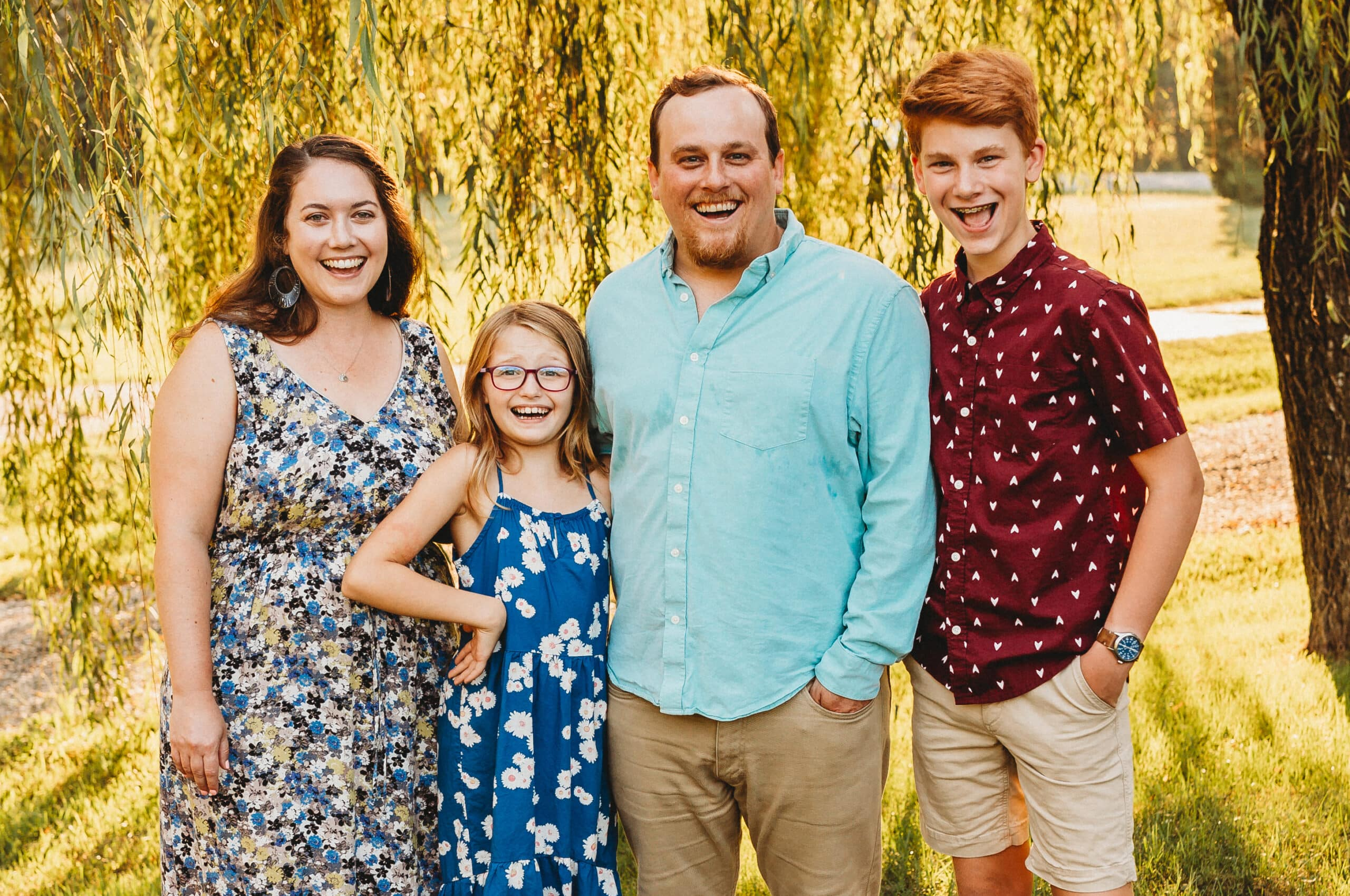
Katherine and Patrick Leahey became interested in foster care and adoption through Katherine’s career in social work. She knew how many youth were in foster care because she often received calls about children who needed permanent homes. Patrick would say, “Well, they should just come here!”
Eventually, the couple signed up for an information session with Shineforth. Then curiosity quickly became reality.
In 2016, the Leaheys were approved as foster parents. In 2017, nine-year-old Mitchell moved in with them. The adoption was finalized nearly two years later. Lastly, in 2021, the Leaheys adopted their daughter Bella.
Katherine and Patrick knew the roots of their family were growing the moment they met Mitchell and Bella as children in foster care at Shineforth. Katherine said “from day one you feel like, ‘This is my kid. This is forever.’”
Throughout the foster care and adoption process, Shineforth provided unwavering support.
“What’s so cool and unique about our family is that none of us share the same DNA,” said Katherine. “And at one point, none of us shared the same last name. Now, we all do.”
How to Become a Foster-to-Adopt Family
step 1
Attend an Info Session
Learn more about the unique needs of youth in treatment foster care and the support you’ll receive so you can help them.
step 2
Pre-Service Training
Complete 25 hours of required training to prepare your family to meet the needs of children and teens in care.
step 3
Home Study & Paperwork
Shineforth conducts an assessment of a parent’s ability to provide a safe and nurturing family environment for a child.
Ready to start the process?
*The whole process typically takes about 4 months.
Who Is Shineforth?
Shineforth is a nonprofit organization that provides a comprehensive array of programs to support children, teens, and parents as they work to overcome challenges. We equip families with tools for success so they can achieve their goals. As a national leader in helping young people and families, we also proactively identify unmet social services needs and develop the necessary partnerships to address those needs.
Foster Care Adoption FAQ
What is foster care adoption?
Adoption from foster care is when you adopt a child or teen who is in foster care and whose parents’ rights have been terminated by a court. The child or teen in foster care may be adopted by their current foster parents or another adoptive family. This is sometimes referred to as foster-to-adopt.
In Virginia, 70% of youth in foster care are adopted by their foster parents.
Can I pursue adoption in Virginia without being a foster parent?
In Virginia, you may adopt a child or teen without first being a foster parent. However, there are many reasons why you may choose foster-to-adopt in Virginia and become “dual-licensed.”
- If you are already approved as a foster parent when you are matched with a child or teen, you can avoid the delay of completing additional paperwork and processes before the youth is placed into your home.
- If you are “dual licensed,” an adoption agency may choose you over other parents and families seeking to adopt from foster care.
- You will be able to maintain financial assistance for the child or teen and may be able to access post-adoption financial support.
- Adopting from foster care may be a less expensive route than other paths to adoption.
What are the requirements to become a foster parent and potential adoptive parent?
Foster families come from all walks of life. They’re teachers, nurses, social workers, bookkeepers, chefs, and more. They are people who have realized that they have room in their homes, room in their schedules, and room in their hearts for a child in need.
Prospective foster parents need to meet these prerequisites to begin the foster parent process:
- 21 or older
- Stable form of income
- Ability to pass a Child Protective Services and Criminal History Search
- Valid driver’s license and reliable transportation
- Personal references
- Physical space in your home
- Emotional space in your life
- Medical information
- There are no specific religious requirements or restrictions to participation.
What is a typical child or teen in foster care like, and what have they been through?
Children and teens in foster care can be any age, from infant to 18. The average age of a child in foster care in the U.S. is eight. The youth in foster care represent all cultural and socioeconomic backgrounds. They are frequently part of a sibling group or teens.
When it comes to children who need therapeutic foster care, the child may have experienced financial hardship leading to malnutrition or suffered from neglect or abuse. The children may have mental health issues or may suffer from post-traumatic shock syndrome (PTSD) due to what they have experienced.
The Shineforth foster care program does not accept children or teens who are currently at risk for harming themselves or others.
What training and support are available to foster parents and adoptive parents?
There are many systems in place to help you succeed as a foster-to-adopt parent:
- Thirty hours of pre-licensing training
- Nine hours of post-licensing training
- Local in-person and online support groups
- 24-hour on-call support
- Counseling
- Reliable respite care so you can take a break and attend to your other needs
- Financial assistance to cover all or most of the costs of adopting children from foster care and to fund their medical and mental health needs

Start Your Fostering Journey with Shineforth Today.
For more information on foster care adoption in Virginia, contact us today!
Shineforth has eight locations throughout the state of Virginia, spread conveniently across the Commonwealth. If you’re interested in learning what is involved to become a foster parent, we encourage you to send us an inquiry, or contact Shineforth at any of these locations:
Farmville Office
306 E 3rd St, Suite B
Farmville, VA 23901
Office: 434.391.9076
Fax: 434.391.9077
[email protected]
Fredericksburg Office
1300 Augustine Ave
Fredericksburg, VA 22401
Office: 540.898.1773
Fax: 540.898.5523
[email protected]
Lynchburg Office
P. O. Box 4797
Lynchburg, VA 24502
Office: 434.846.2002
Fax: 434.846.3535
[email protected]

Northern Virginia Regional Center
6935 Columbia Pike
(Rooms 305, 307, 308)
Annandale VA 22003
Office: 703.941.9008
Fax: 703.750.0621
[email protected]
Richmond Campus
3900 W Broad St
Richmond, VA 23230
Office: 804.353.4461
Fax: 804.355.4157
[email protected]
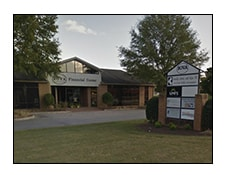
South Hill Office
828 N Mecklenburg Ave, Suite B
South Hill, VA 23970
Office: 434.447.8630
Fax: 434.447.8650
[email protected]

Tidewater Regional Center
815 Baker Road
Virginia Beach, VA 23462
Office: 757.490.9791
Fax: 757.490.8324
[email protected]
Get in Touch with Shineforth
Reach out using the options below: